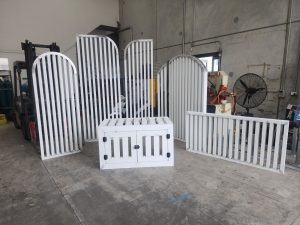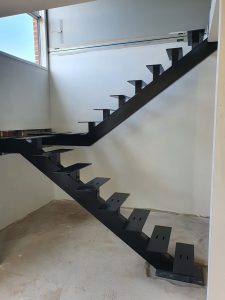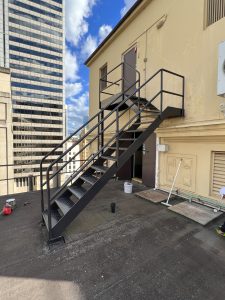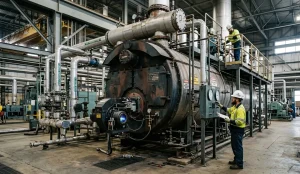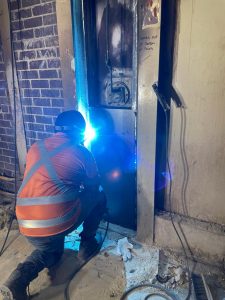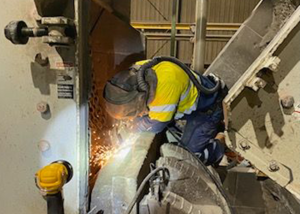
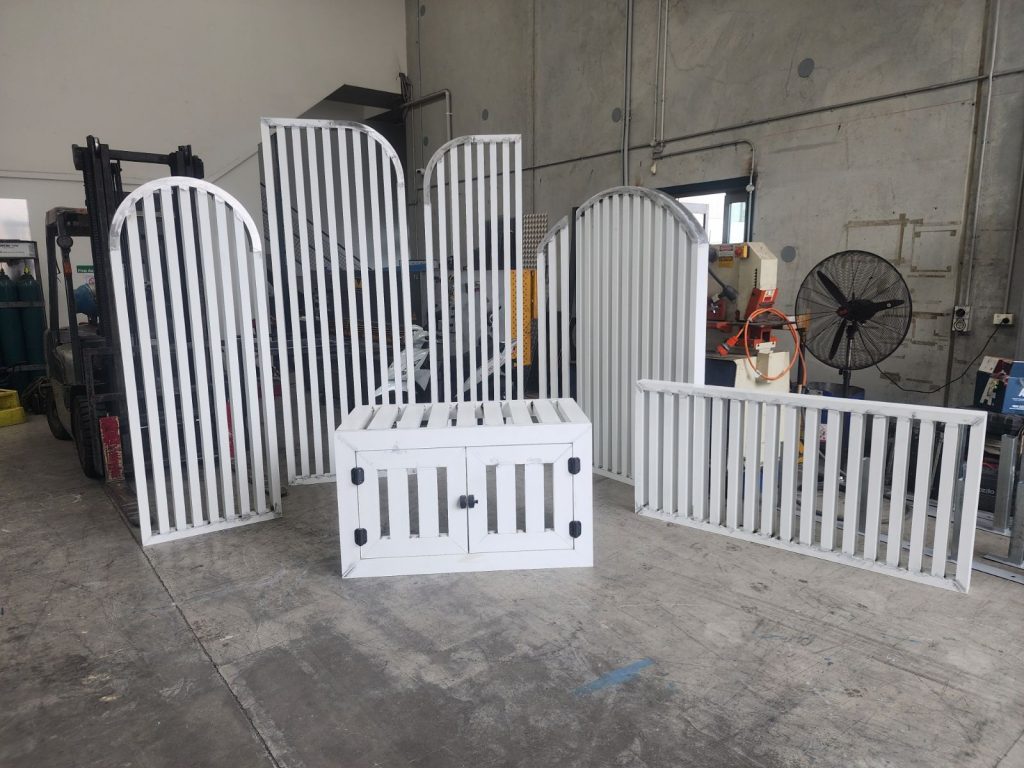
Understand winter steel fabrication risks in Sydney with JNS Boilermaking. Avoid brittle fracture, coating failure, and poor cold-weather practices.
Colder temperatures can significantly affect steel fabrication processes, especially when welding, coating, and handling structural steel components. During winter, steel becomes less ductile and more prone to cracking, making proper winter steel fabrication practices essential for maintaining the safety and durability of steel structures. Across Australia, fabrication projects continue during colder months, but careful planning, specialised techniques, and strict quality control are required to prevent structural failures and coating issues.
Understanding Steel Behaviour in Cold Temperatures
Steel becomes less ductile and more brittle as temperatures drop, increasing the risk of sudden fracture in cold conditions. Careful material selection, controlled welding temperatures, and adjusted fabrication procedures are important to help reduce these risks. These practices help maintain the strength and safety of steel structures during winter fabrication.
Several factors can increase the likelihood of fracture during cold-weather fabrication, including reduced ductility and a higher chance of brittle failure under sudden loads. Residual stresses from welding and fabrication, along with hydrogen-induced cracking in welds, can also contribute to structural weaknesses. In addition, stress concentrations caused by sharp edges, poor weld transitions, or fabrication defects may further increase fracture risk.
Best Practices for Winter Steel Fabrication
Maintaining structural integrity in winter requires careful winter steel fabrication practices, including adjusting welding procedures, selecting suitable materials, controlling temperatures, and preheating base metals to reduce cracking and ensure durable welds.
Common best practices include:
- Preheating steel before welding to minimise rapid cooling
- Using low-hydrogen welding consumables
- Selecting steel grades designed for low-temperature applications
- Maintaining consistent heat input during welding
- Ensuring welders follow qualified welding procedures
Preventing Coating Failure During Winter Fabrication
Protective coatings help prevent corrosion and extend the lifespan of steel components, but cold temperatures and moisture can disrupt curing and adhesion, leading to issues such as blistering, peeling, or coating failure if not properly controlled.
To avoid these problems, fabricators should follow strict coating application procedures:
- Thoroughly clean and prepare steel surfaces before coating
- Ensure the steel temperature is above the dew point
- Monitor humidity levels during coating application
- Use coating systems suitable for colder conditions
- Allow adequate curing time before exposing components to service conditions
Quality Control and Inspection for Cold-Weather Fabrication
Quality control is critical during winter fabrication, as thorough inspections help detect defects early and ensure steel components meet Australian standards and perform reliably in demanding conditions.
Reliable inspection practices typically include:
- Visual inspection of welds and fabricated components
- Ultrasonic testing to detect internal defects
- Magnetic particle testing for surface cracks
- Verification that welding procedures meet required standards
- Monitoring fabrication conditions throughout the project
Reliable Winter Steel Fabrication Solutions with JNS Boilermaking
When projects continue through colder months, working with experienced professionals is essential. At JNS Boilermaking, we understand the challenges involved in winter steel fabrication and apply proven fabrication techniques to prevent fracture, weld defects, and coating failures. Our team follows industry best practices to deliver durable, high-quality steel solutions for clients across construction, mining, and heavy industry.
If your project requires dependable steel fabrication during colder conditions, our skilled boilermakers are ready to assist. Contact us today to discuss your requirements and ensure your winter steel fabrication projects are completed safely, efficiently, and to the highest standards.
Related Blog Articles:
2026 Guide to Modular Steel Fabrication in Construction: Trends & Benefits
Steel Fabrication for Structural Repairs: Replacing Corroded Beams, Lintels & Balconies